


Kefalonia Guide and Kefalonia Photos



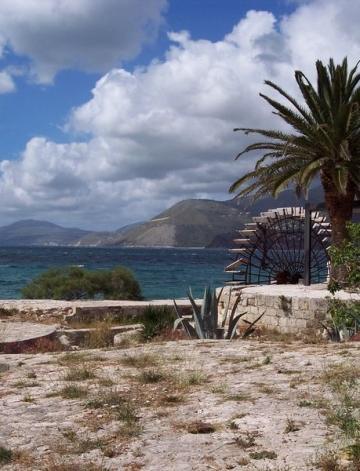
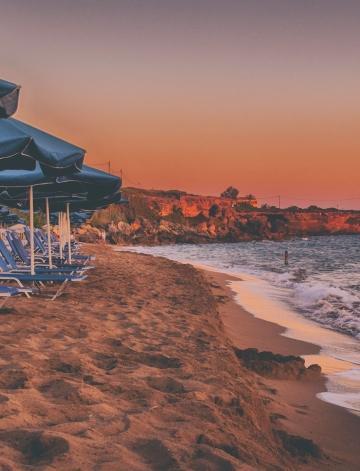
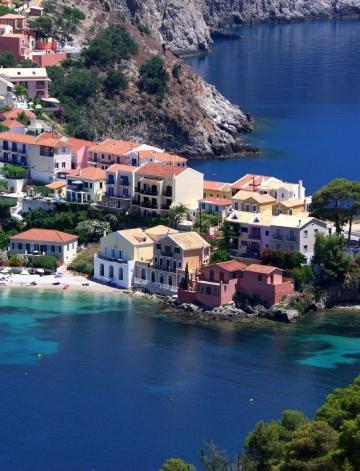
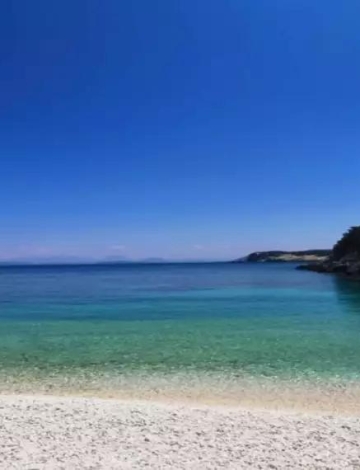
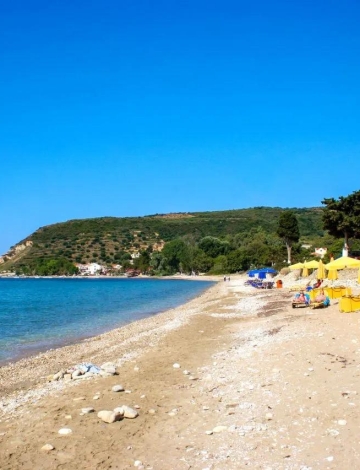
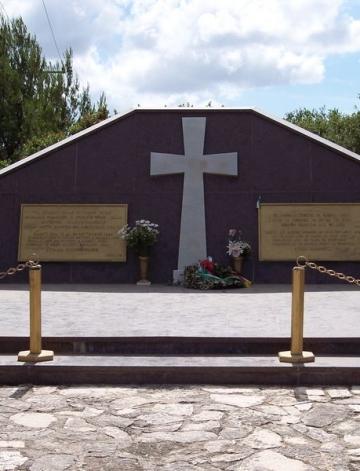

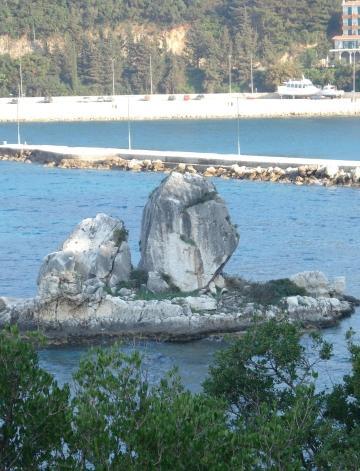

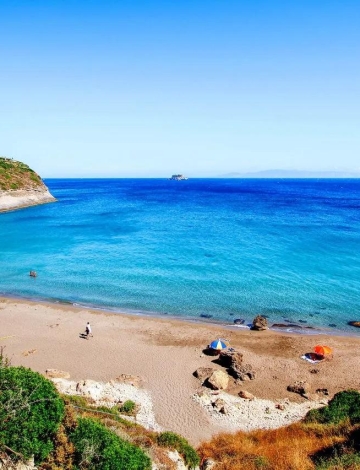
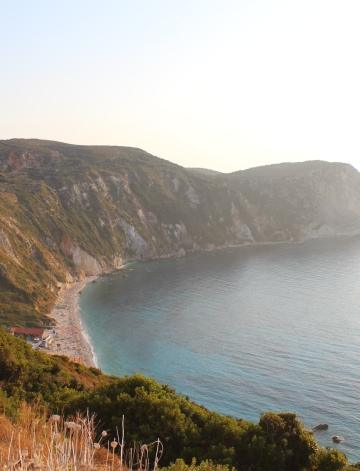
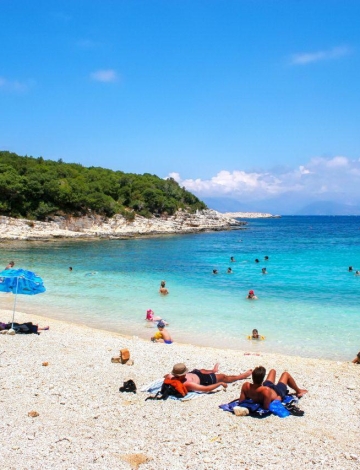
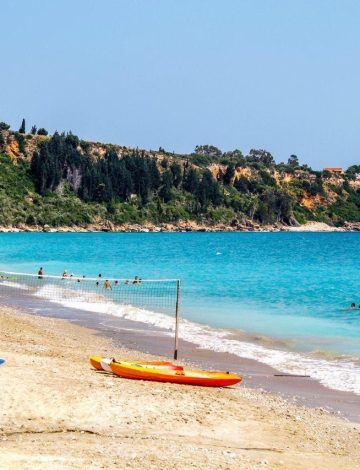
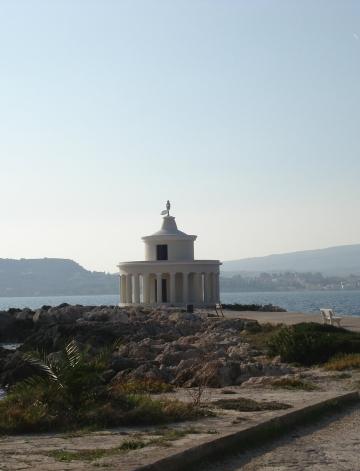

MORE KEFALONIA PHOTOS

.jpg)
.jpg)
.jpg)
.jpg)
.jpg)
.jpg)
.jpg)
.jpg)
.jpg)
.jpg)
.jpg)

.jpg)
.jpg)
.jpg)
.jpg)
.jpg)
.jpg)
.jpg)
.jpg)
.jpg)
.jpg)
.jpg)
.jpg)
.jpg)
.jpg)
.jpg)
.jpg)
.jpg)
-kefalonia.jpg)
-kefalonia.jpg)
-kefalonia.jpg)


A Comprehensive Guide to the Best Things to Do and See
Welcome to the captivating island of Kefalonia, a hidden gem nestled in the Ionian Sea. Known for its picturesque landscapes, crystal-clear turquoise waters, and charming villages, Kefalonia offers a delightful blend of natural beauty and rich cultural heritage. Whether you're a nature enthusiast, history buff, or simply seeking relaxation, this guide will unveil the top attractions and activities that will make your visit to Kefalonia an unforgettable experience.
-
Marvel at Myrtos Beach:
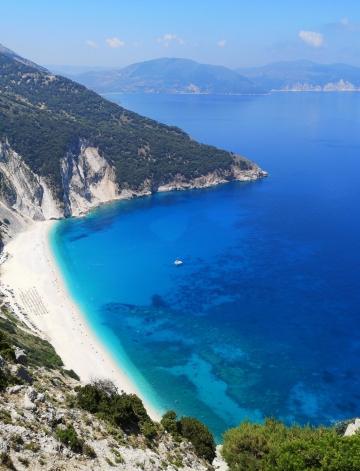
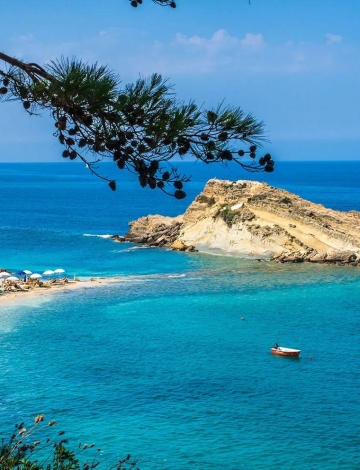
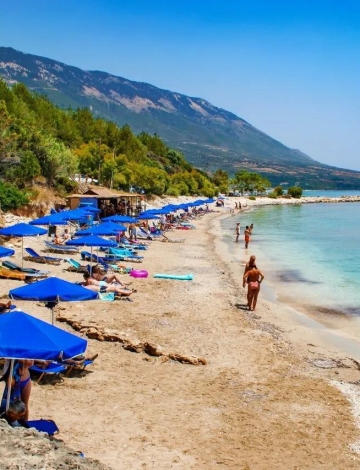
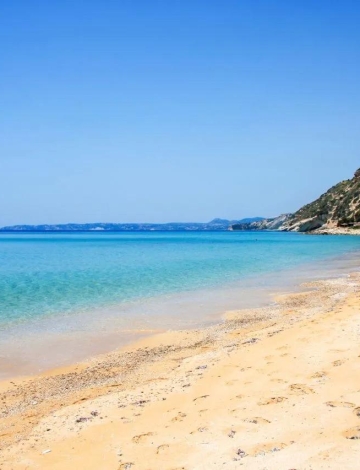
Kickstart your Kefalonia adventure with a visit to Myrtos Beach, renowned as one of the most beautiful beaches in the Mediterranean. With its dramatic cliff backdrop, azure waters, and pristine white pebbles, this iconic beach offers a breathtaking setting for sunbathing, swimming, and capturing postcard-worthy photographs. -
Explore the Mystical Melissani Cave:
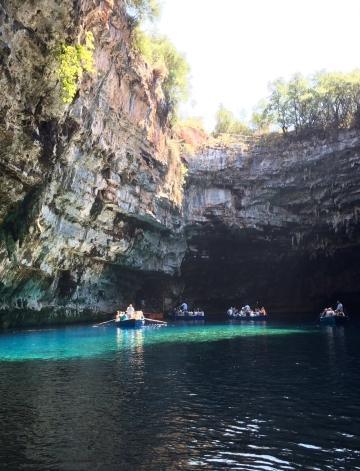
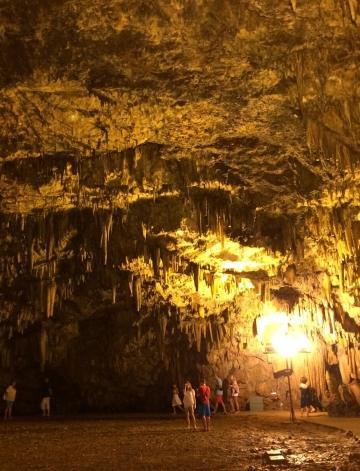
Embark on a mystical journey at the Melissani Cave, an underground lake boasting mesmerizing turquoise hues. Hop aboard a boat and glide through the crystal-clear waters, marveling at the sunlight penetrating the cave's roof, creating a captivating play of light and shadow. This ethereal experience is sure to leave you in awe. -
Traverse Mount Ainos National Park:
Nature enthusiasts should not miss the opportunity to explore Mount Ainos National Park, home to the island's highest peak. Lace up your hiking boots and embark on a scenic trek through lush forests, where you can discover rare flora and fauna. Reach the summit for panoramic views of Kefalonia and its neighboring islands. -
Wander through Fiskardo:
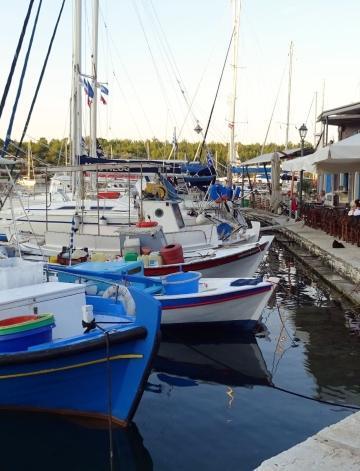
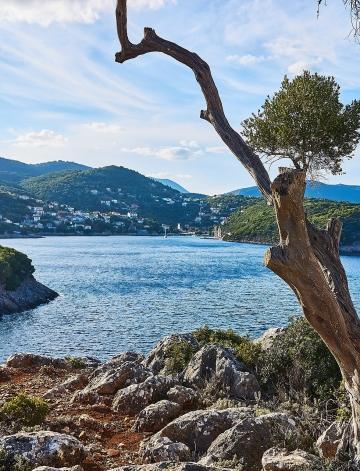
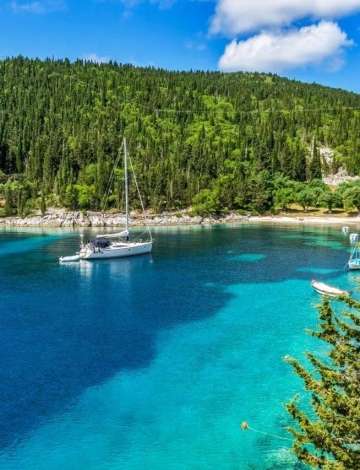
Visit the picturesque village of Fiskardo, a charming harbor town that miraculously escaped significant damage during the devastating earthquake of 1953. Stroll along the waterfront promenade, adorned with colorful Venetian-style buildings, boutique shops, and waterfront tavernas. Immerse yourself in the laid-back ambiance while savoring local delicacies. -
Uncover Ancient History at St. George's Castle:
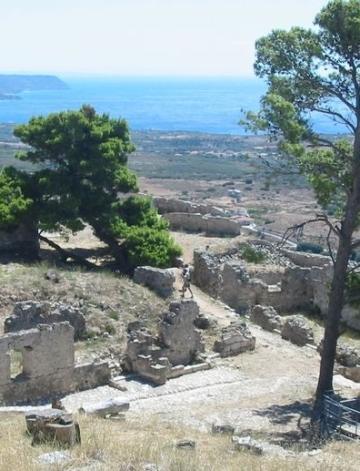
History enthusiasts will be captivated by the ruins of St. George's Castle, perched atop a hill near the village of Peratata. Dating back to the 12th century, this Venetian fortress offers panoramic views of Kefalonia's southern coastline. Explore the remains of the castle's walls, towers, and courtyards, and transport yourself back in time. -
Experience Local Culture in Argostoli:
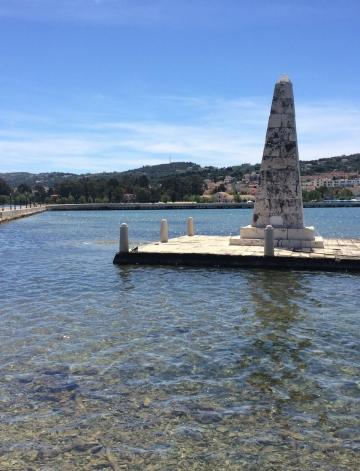
Visit the island's vibrant capital, Argostoli, and immerse yourself in its cultural offerings. Explore the bustling central square, Lithostroto, lined with cafes, shops, and local markets. Don't miss the opportunity to witness the fascinating natural phenomenon of the caretta-caretta turtles, as they congregate in the bay during the summer months. -
Indulge in Local Cuisine:
No visit to Kefalonia would be complete without savoring its delicious culinary delights. Sample local specialties, such as moussaka, Kefalonian meat pie, and Robola wine. Explore traditional tavernas, where you can indulge in fresh seafood dishes while soaking in the authentic island atmosphere.
Kefalonia, with its natural beauty, rich history, and warm hospitality, offers an enchanting escape for travelers seeking an authentic Greek experience. From breathtaking beaches to cultural treasures, this guide has provided an overview of the top attractions and activities to enjoy on the island. Embark on an unforgettable journey to Kefalonia, and let this captivating destination leave an indelible mark on your heart and soul.